
SUSTAINABLE MOVE
2024.08.29
INNOCEAN Safe Bathhouse
Hyundai Motor Group CSR Digital Magazine Safe Bathhouse
Safe Bathhouse
Setting the Standard for Bathhouse Safety,
Safe Bathhouse
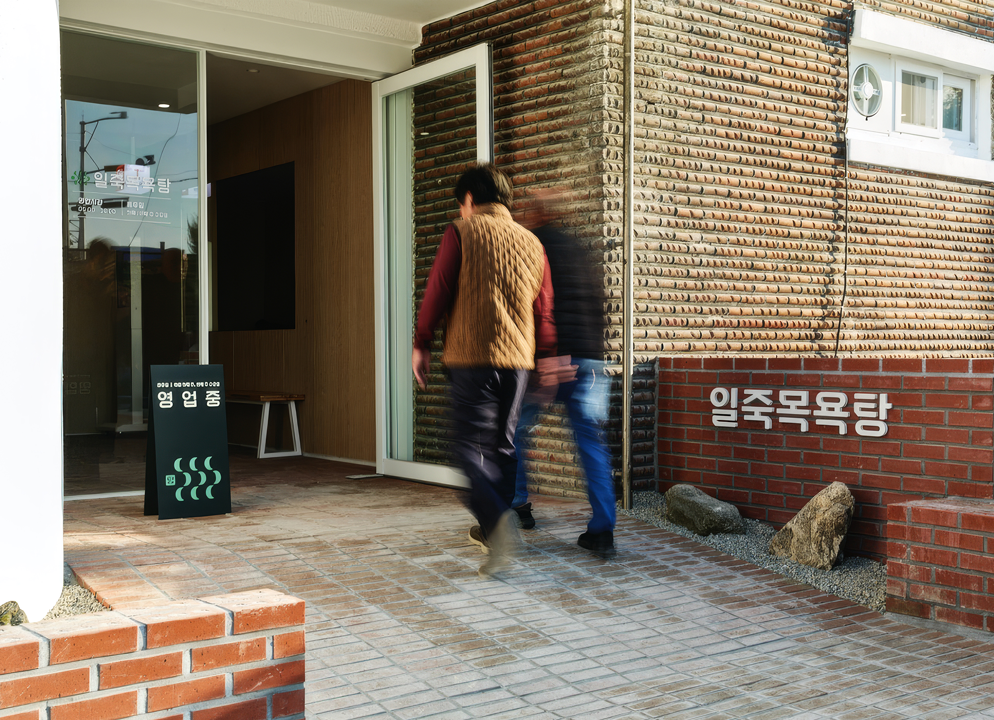
On November 22, 2024, the first project of the Social Space Rebranding Campaign, “Safe Bathhouse,” held its opening ceremony. After operating for 27 years without any remodeling, Iljuk Bathhouse was stylishly transformed into a safe bathing space designed especially for the elderly through this renovation.
Rediscovering Vanishing Spaces
Could disappearing yet essential spaces for the socially vulnerable be transformed?
This question was the starting point for Innocean’s “Social Space Rebranding” program—an effort to reimagine spaces that are familiar but draw little social attention, places often regarded as inconvenient yet still vital to local residents. To identify the right candidates, an internal CSR contest open to all employees was held in 2023. After careful review, the first space selected was the bathhouse.
In the past, public bathhouses were so common that every neighborhood had at least one or two. However, with the rise of shower culture and advances in home heating technology, bathing at home became the norm. At the same time, new types of facilities such as jjimjilbang (Korean saunas) emerged, leading to the gradual disappearance of traditional public bathhouses.
In fact, according to the Ministry of the Interior and Safety’s “Bathhouse Industry Status Report (2022),” nearly 10,000 bathhouses were in operation nationwide in 2003. However, starting in 2004, the number of closures began to exceed new permits, and as a result, around 40% have disappeared, leaving only about 3,000 still in operation.
As public bathhouses declined, it was the socially vulnerable who suffered the most. Many lacked shower facilities at home or access to hot water, making bathhouses an essential service. Beyond hygiene and affordable health management, bathhouses also served as vital community hubs within neighborhoods. For these reasons, consensus grew around the need to rebrand them.
More than 80 bathhouses across 24 local governments were reviewed, taking into account factors such as regional suitability, structural feasibility, and sustainability, to determine the most optimal location. The final site selected was Iljuk Bathhouse in Anseong, Gyeonggi Province.
This question was the starting point for Innocean’s “Social Space Rebranding” program—an effort to reimagine spaces that are familiar but draw little social attention, places often regarded as inconvenient yet still vital to local residents. To identify the right candidates, an internal CSR contest open to all employees was held in 2023. After careful review, the first space selected was the bathhouse.
In the past, public bathhouses were so common that every neighborhood had at least one or two. However, with the rise of shower culture and advances in home heating technology, bathing at home became the norm. At the same time, new types of facilities such as jjimjilbang (Korean saunas) emerged, leading to the gradual disappearance of traditional public bathhouses.
In fact, according to the Ministry of the Interior and Safety’s “Bathhouse Industry Status Report (2022),” nearly 10,000 bathhouses were in operation nationwide in 2003. However, starting in 2004, the number of closures began to exceed new permits, and as a result, around 40% have disappeared, leaving only about 3,000 still in operation.
As public bathhouses declined, it was the socially vulnerable who suffered the most. Many lacked shower facilities at home or access to hot water, making bathhouses an essential service. Beyond hygiene and affordable health management, bathhouses also served as vital community hubs within neighborhoods. For these reasons, consensus grew around the need to rebrand them.
More than 80 bathhouses across 24 local governments were reviewed, taking into account factors such as regional suitability, structural feasibility, and sustainability, to determine the most optimal location. The final site selected was Iljuk Bathhouse in Anseong, Gyeonggi Province.
The Essence of a Bathhouse Is “Safety”
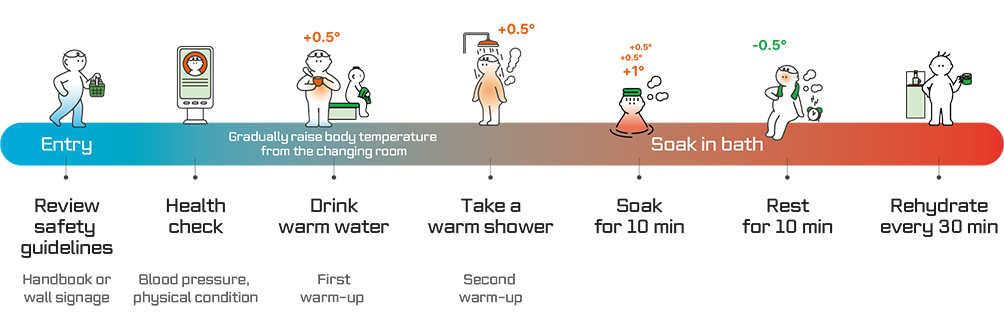
At Iljuk Bathhouse, 80% of regular users are seniors aged 65 or older. During the rebranding process, it became clear that preventing safety accidents was more urgent than simply addressing outdated facilities. Elderly users were particularly vulnerable to accidents such as dehydration, fainting from prolonged soaking, burns, drowning, and falls. In particular, preventing heat shock—a condition in which sudden temperature changes cause rapid fluctuations in blood pressure, leading to fainting or, in severe cases, heart attacks and strokes—required a careful redesign of the space, as it was the leading cause of fatal accidents in bathhouses.
Drawing on interviews with local seniors, consultations with medical staff, and reference studies, Innocean worked with an architectural design office to create the “Safe Bathhouse,” applying both spatial and technical solutions to ensure safety throughout the entire bathing process. Iljuk Bathhouse is not just a facility decorated for aesthetic appeal. True to its name, Safe Bathhouse, every part of the space was designed around the journey of safe bathing.
Drawing on interviews with local seniors, consultations with medical staff, and reference studies, Innocean worked with an architectural design office to create the “Safe Bathhouse,” applying both spatial and technical solutions to ensure safety throughout the entire bathing process. Iljuk Bathhouse is not just a facility decorated for aesthetic appeal. True to its name, Safe Bathhouse, every part of the space was designed around the journey of safe bathing.

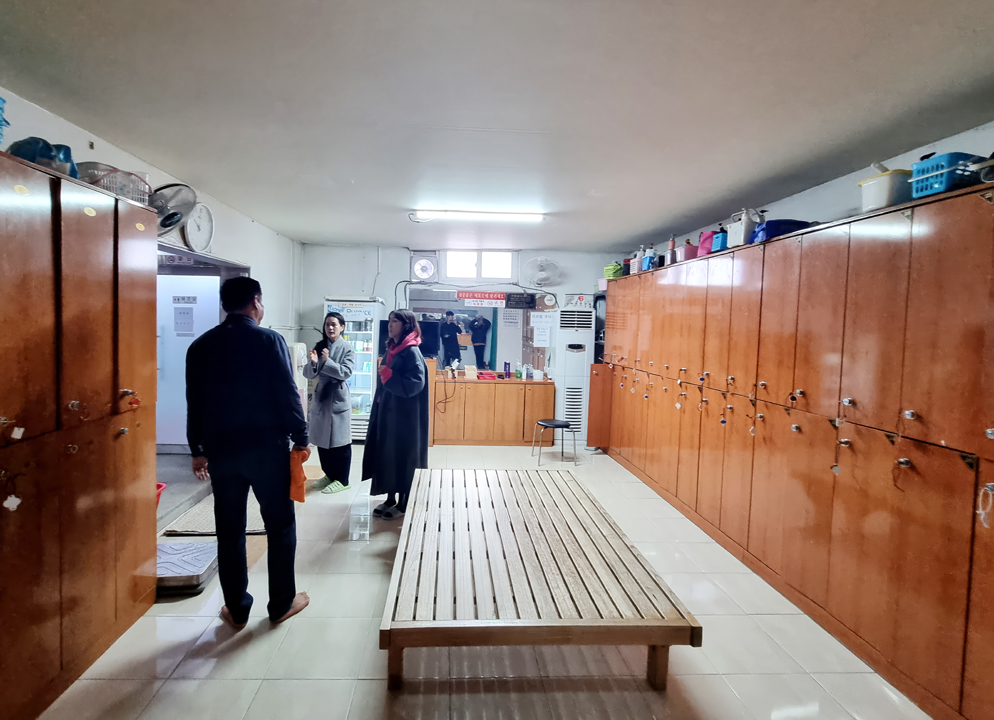
Before

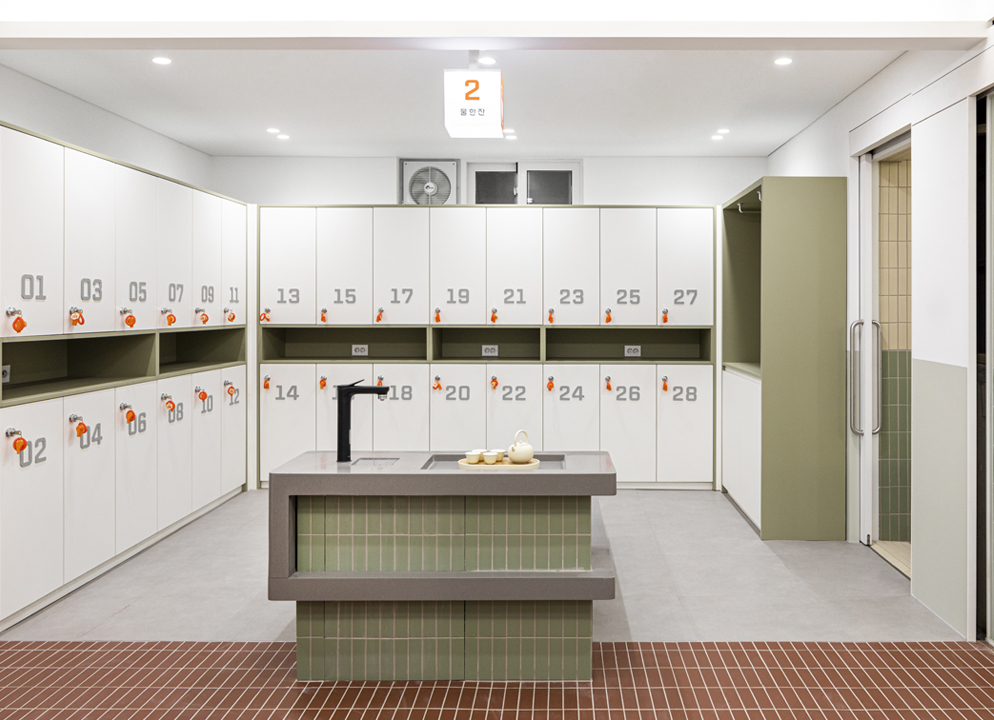
After
Before
After
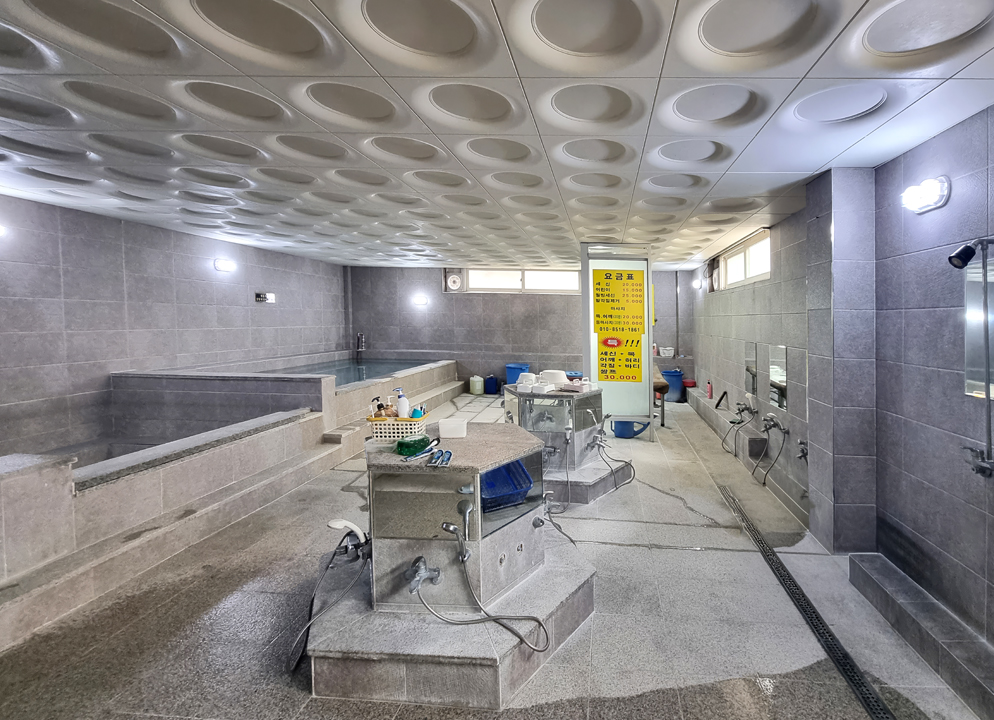
Before
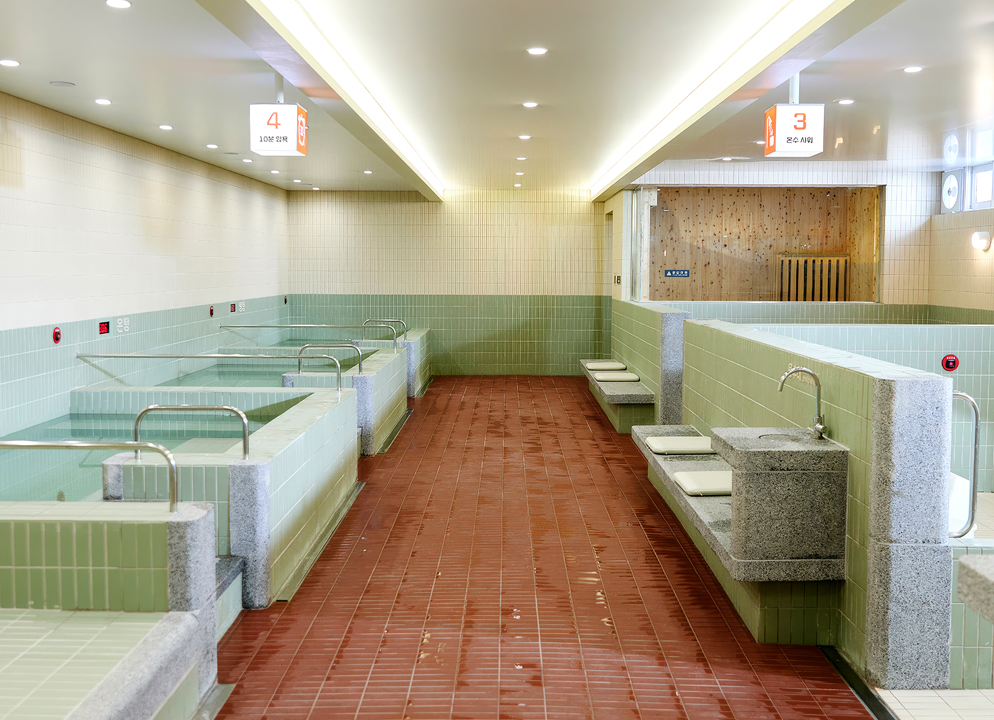
After
Before
After
A simple example can be seen in the tiles—none of which were chosen lightly. Guided by the belief that even a single tile must embody safety, countless tests and studies were conducted before making the final tile selection. To ensure that accidents such as fainting in the bath could be quickly noticed by others, the team focused on finding a tile color that contrasted most strongly with East Asian skin tones. After comparing hundreds of tiles against East Asian skin tones and conducting friction tests, the final choice was the green tiles now in place.
From the bell signaling the recommended 10-minute bathing time, to SOS call buttons installed inside the baths, rounded structures without sharp corners, and low partitions that preserve visibility in case of an accident—every detail was designed with safety in mind.
Whistles were attached to locker keys so users could signal for help in emergencies, and four-step safe-bathing guide leaflets were placed in clearly visible locations. For durability, the safety handbook was printed on waterproof mineral paper, ensuring it remained easy to read even during bathing and helping to enhance bather safety.
From the bell signaling the recommended 10-minute bathing time, to SOS call buttons installed inside the baths, rounded structures without sharp corners, and low partitions that preserve visibility in case of an accident—every detail was designed with safety in mind.
Whistles were attached to locker keys so users could signal for help in emergencies, and four-step safe-bathing guide leaflets were placed in clearly visible locations. For durability, the safety handbook was printed on waterproof mineral paper, ensuring it remained easy to read even during bathing and helping to enhance bather safety.
The Core Safety Features of Iljuk Bathhouse
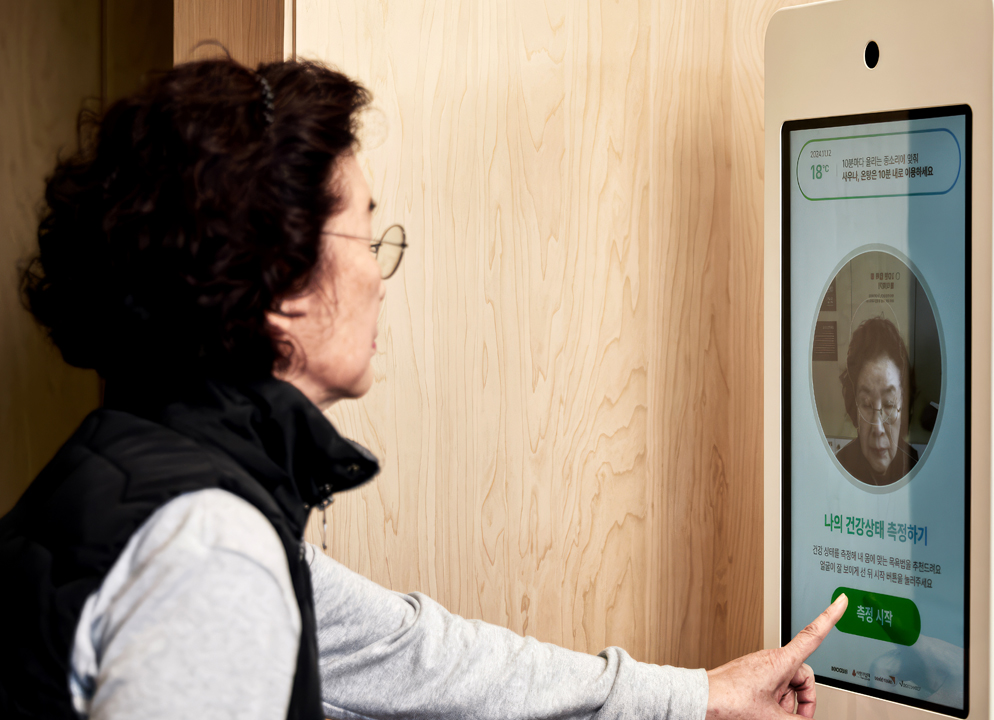
Vital tracker to check your body condition before bathing
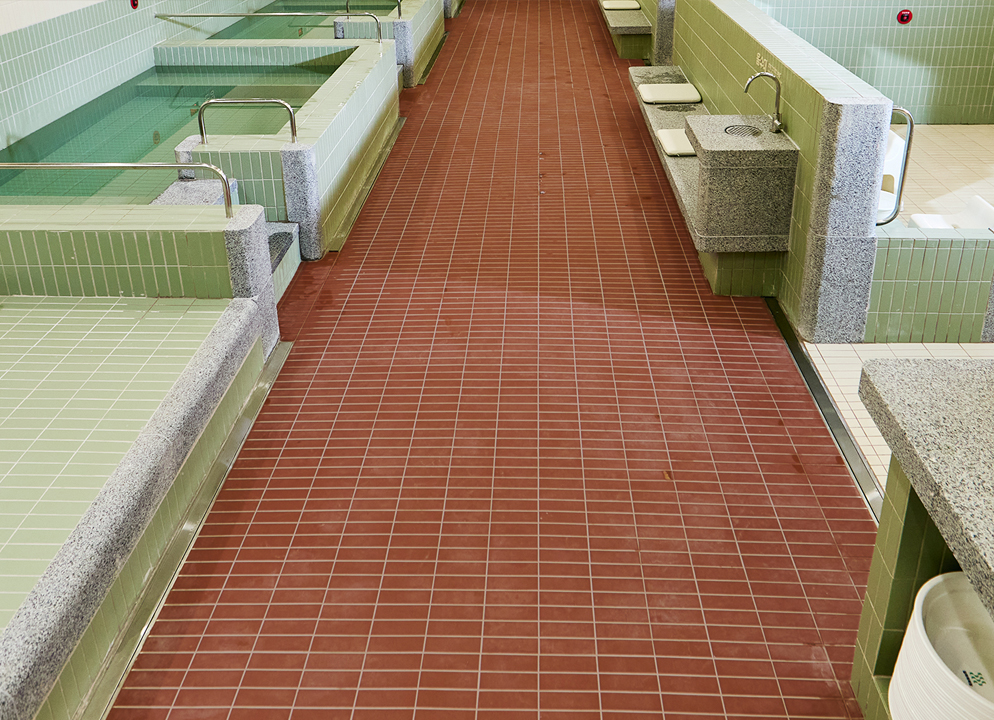
Heated non-slip floors to prevent slipping accidents
Vital tracker to check your body condition before bathing
Heated non-slip floors to prevent slipping accidents
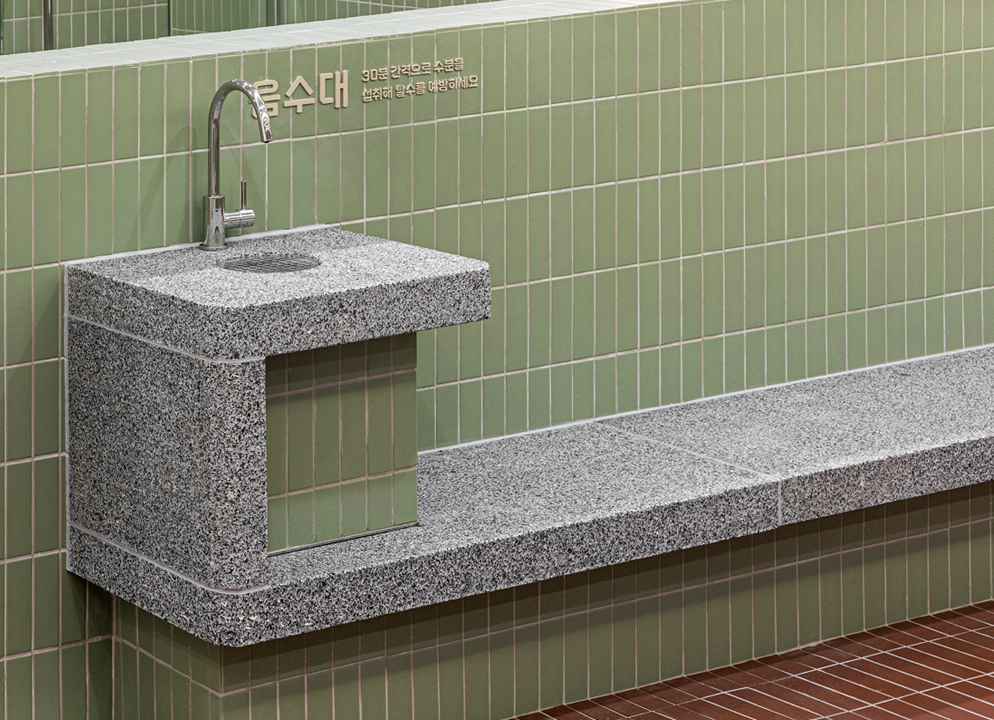
Hydration station and rest area
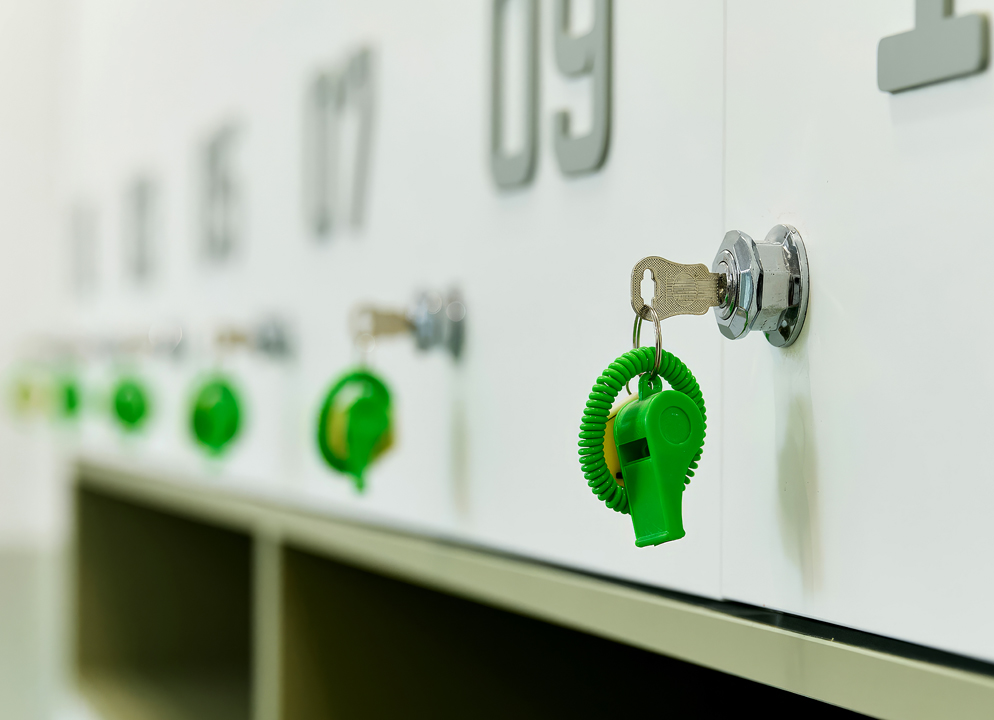
Whistle on locker keys
Hydration station and rest area
Whistle on locker keys
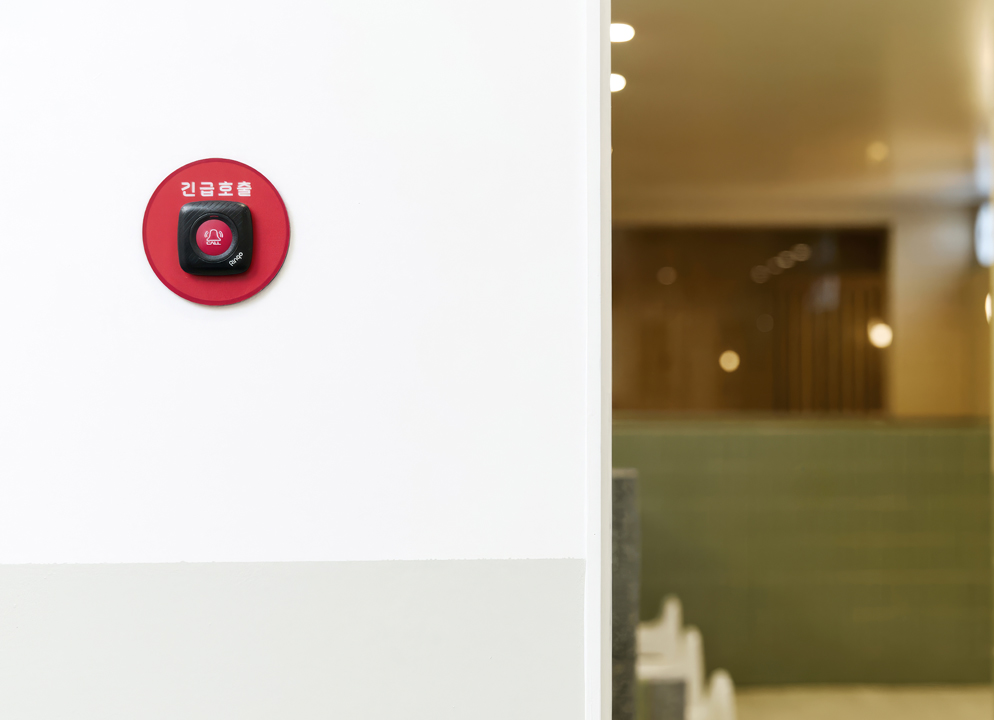
SOS buttons installed at various heights throughout the bathhouse
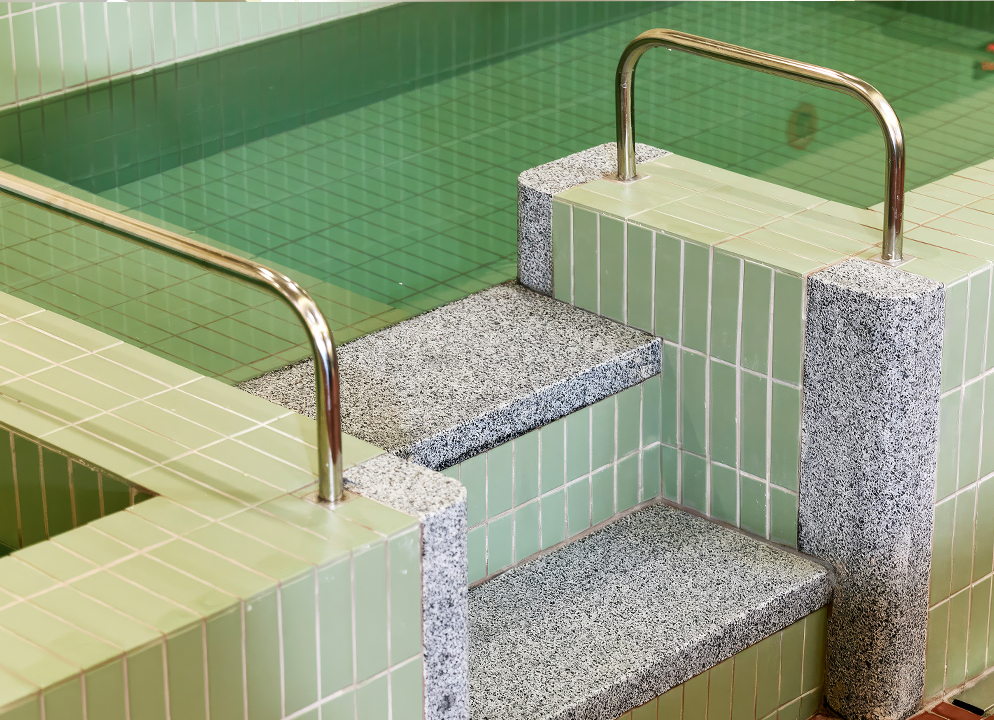
Rounded corners to prevent fall accidents
SOS buttons installed at various heights throughout the bathhouse
Rounded corners to prevent fall accidents
Encouraging a Safe Bathing Culture
Innocean decided to openly share the insights gained through this process, along with the trial and error experienced during the bathhouse’s design and construction. With the hope that bathhouses everywhere might become safer, the entire journey—from the inception of the Safe Bathhouse to its opening—has been made available for anyone to download through the “Iljuk Bathhouse Open Source.”
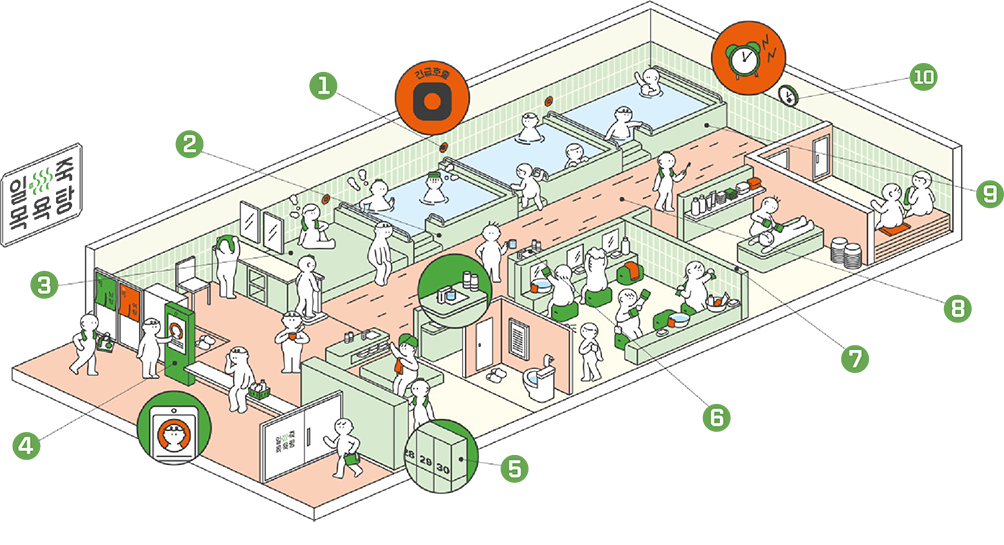
1 To preserve the golden time in the event of an accident inside the bath, SOS call buttons were installed throughout the facility.
2 Considering that collisions in bathhouses can easily cause bruises or fractures, all structures inside were designed without sharp corners.
3 Warm heated ondol floors help prevent sudden body temperature changes caused by the difference between indoor and outdoor temperatures, and allow users to dry off after bathing.
4 A diagnostic device recommends safe bathing methods tailored to each user’s health condition before bathing.
(The kiosk collects biometric information through facial recognition and provides a diagnosis.)
(The kiosk collects biometric information through facial recognition and provides a diagnosis.)
5 The locker room features lockers with large, clear numbers for better readability.
(Lockey keys are fitted with whistles to signal for help in emergencies.)
(Lockey keys are fitted with whistles to signal for help in emergencies.)
6 The drinking fountain helps prevent dehydration while bathing and, during cold seasons with sharp temperature differences, encourages users to warm their bodies with a glass of warm water before soaking.
7 Inside the bath, everyone looks out for one another. The bath structure is designed with unobstructed views so that accidents can be spotted at a glance.
8 Bathhouse floors are lined with heating coils that rapidly dry moisture and help prevent slipping accidents.
9 The bath is finished with green tiles, chosen to contrast with East Asian skin tones so that accidents can be detected quickly.
10 A bell rings every 10 minutes, encouraging everyone to follow the safe habit of bathing for 10 minutes and then resting for 10 minutes.
As a result, Innocean’s efforts attracted significant attention and were recognized with awards at 14 major domestic and international competitions in the fields of design and public service, including the Red Dot Design Award and the CSR Film Festival. In particular, the project was highly praised for presenting creative work that benefited the local community and enriched social culture, as well as for its contributions and achievements in promoting a culture of safe bathing.
Awards
*2025







Collaborative Structure for Sustainability
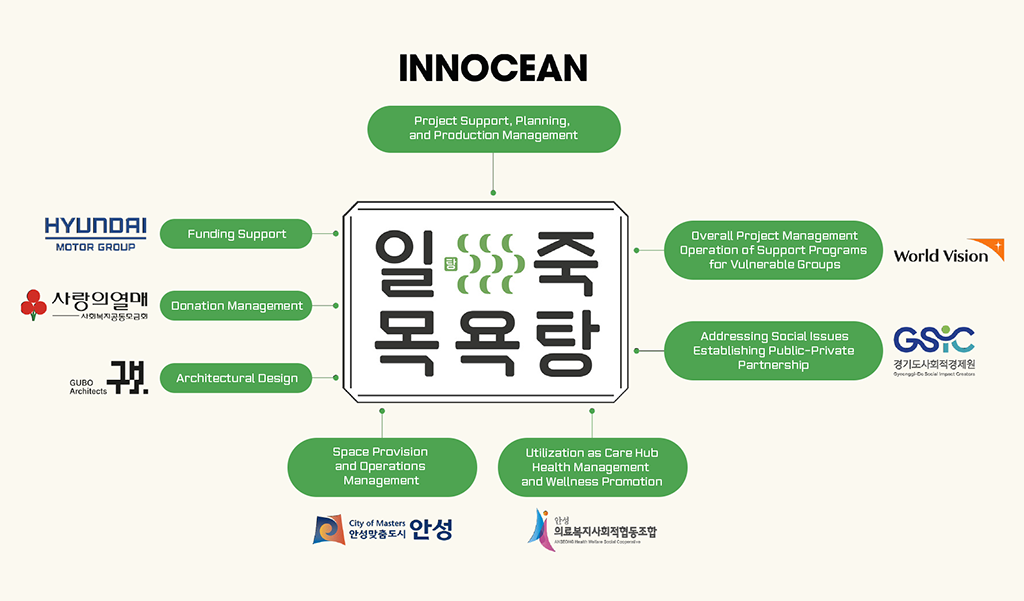
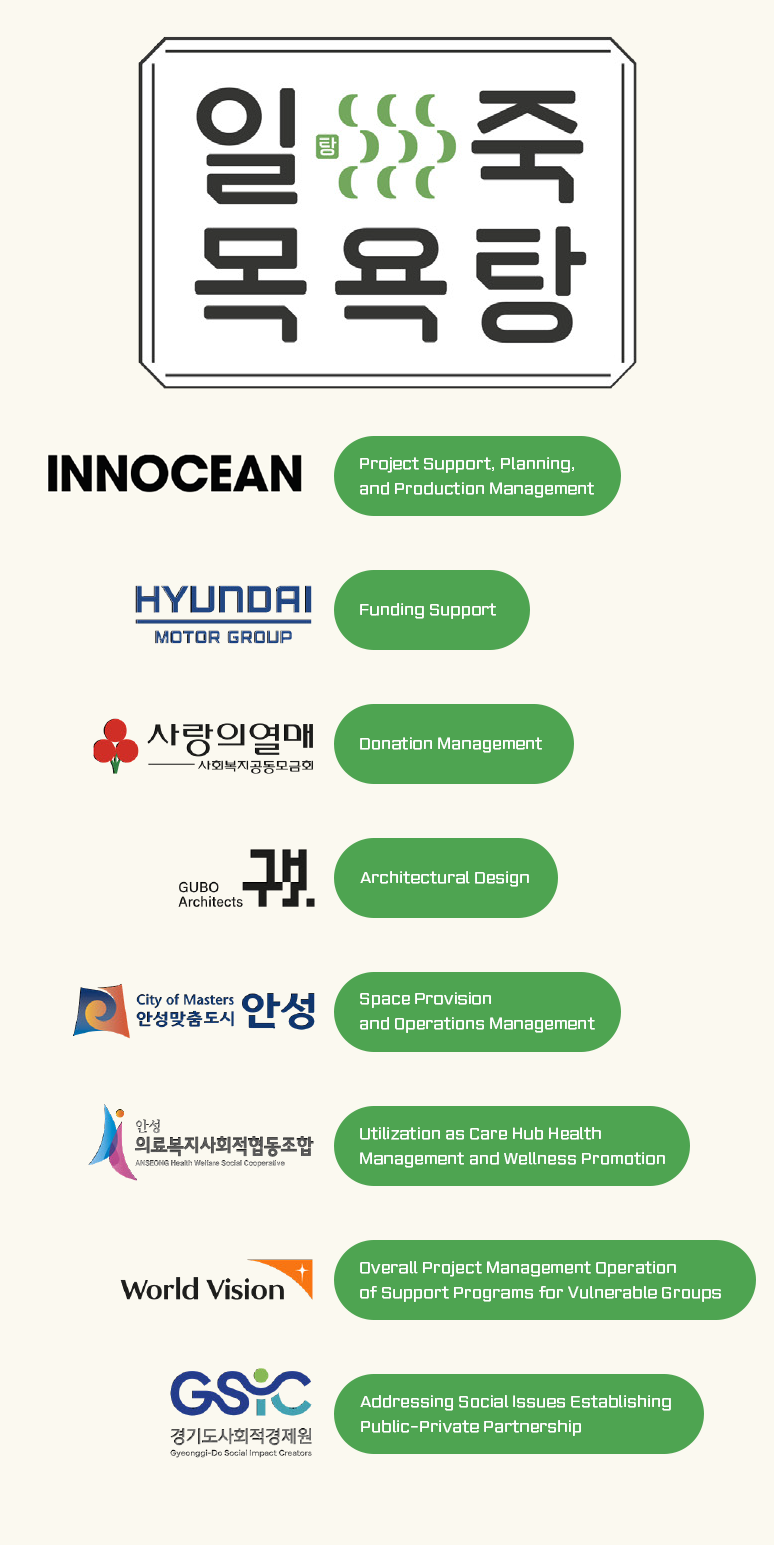
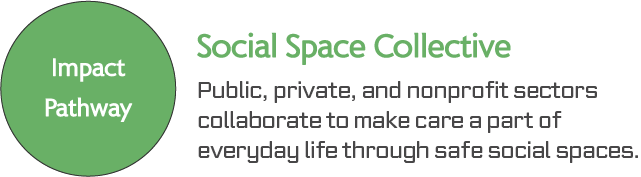
The Iljuk Bathhouse holds special significance as it represents a collaborative effort among experts from diverse fields, including medical professionals, architects, and designers. The project, in particular, demonstrated new possibilities by establishing a multi-sector partnership that brought together Innocean—from the private sector (funding support, project planning, production management, and leadership of the Social Space Rebranding program)—Hyundai Motor Group (funding support), public organizations such as the City of Anseong and the Iljuk-myeon Administrative Welfare Center, and the nonprofit sector represented by World Vision. Grounded in the Collective Impact model, the project has been recorded as an exemplary case in which each party contributed its expertise and collaborated seamlessly.
“
Thank you for finally bringing help to our overlooked community.”
Kim OO, user of Iljuk Bathhouse
“
I’ve only now learned how to bathe safely, and I’m putting it into practice.”
Choi OO, user of Iljuk Bathhouse
Today, the Safe Bathhouse is owned by the city of Anseong and stably managed by Iljuk-myeon. The Anseong Medical Welfare Social Cooperative has also launched a local volunteer group, “Iljukdongchin” (Iljuk Neighborhood Friends), to assist elderly residents with mobility challenges in using the bathhouse and to provide guidance on safe bathing practices. Warmly embraced by the community, the Safe Bathhouse is gradually reclaiming its original role as a vital social space.
Innocean intends to continue its Social Space Rebranding campaign in other regions—this time extending beyond bathhouses to other meaningful community spaces. Its heartwarming journey of bringing profound change not only to places, but also to people and communities, will carry on.
Innocean intends to continue its Social Space Rebranding campaign in other regions—this time extending beyond bathhouses to other meaningful community spaces. Its heartwarming journey of bringing profound change not only to places, but also to people and communities, will carry on.
Impact Frameworks
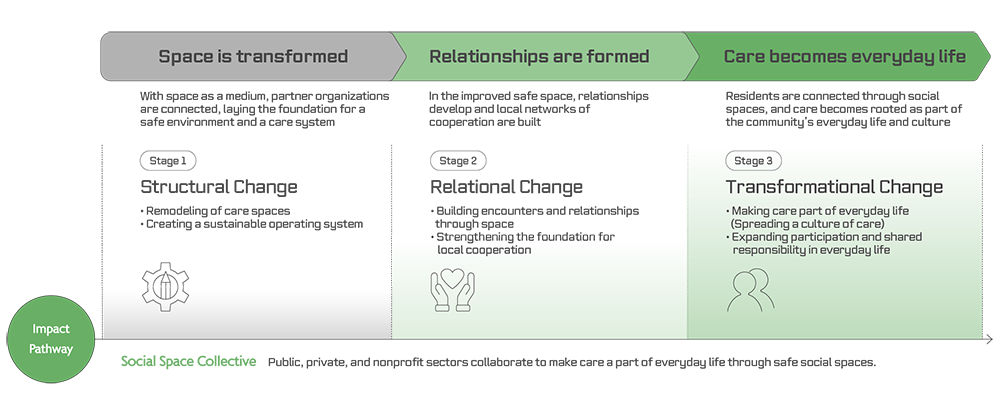
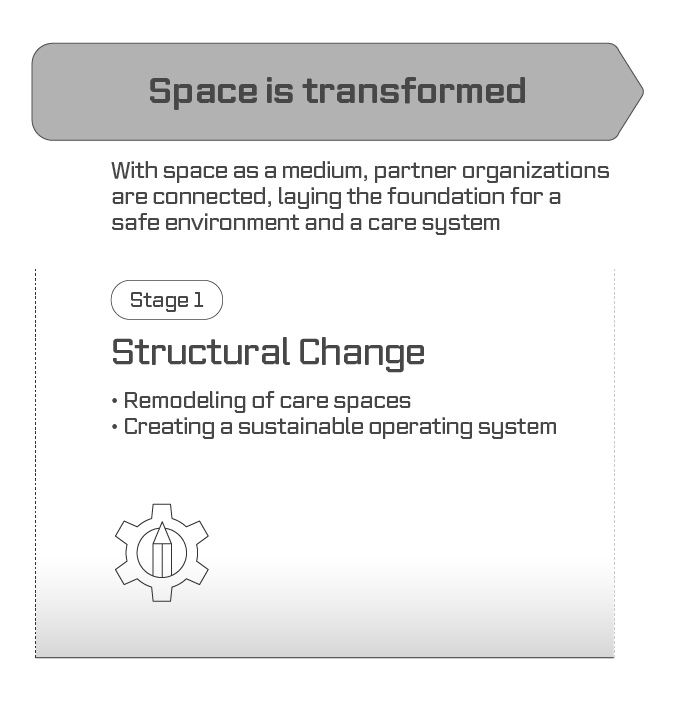
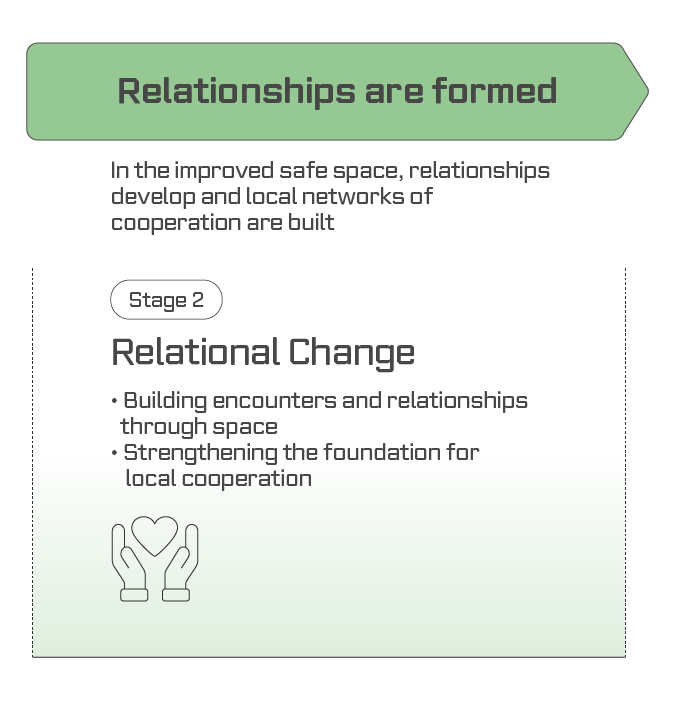
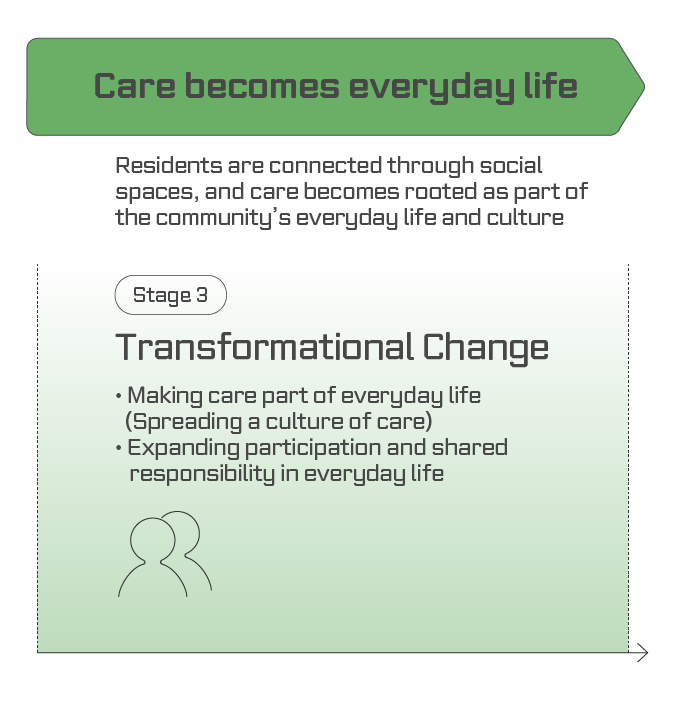
Based on the Collective Impact (CI) performance framework, a three-stage change process was identified, beginning with the creation of safe social spaces, followed by the formation of community networks, and ultimately leading to the integration of care into everyday community life and culture.The outcomes of each stage are structured as a progression of “structural change,” “relational change,” and “transformational change.” Key indicators and data are visualized to clearly present the progress and outcomes of each phase in an accessible and easy-to-understand format.
Excerpt from Impact Report